5 Reasons to Get to Know St. Josemaria
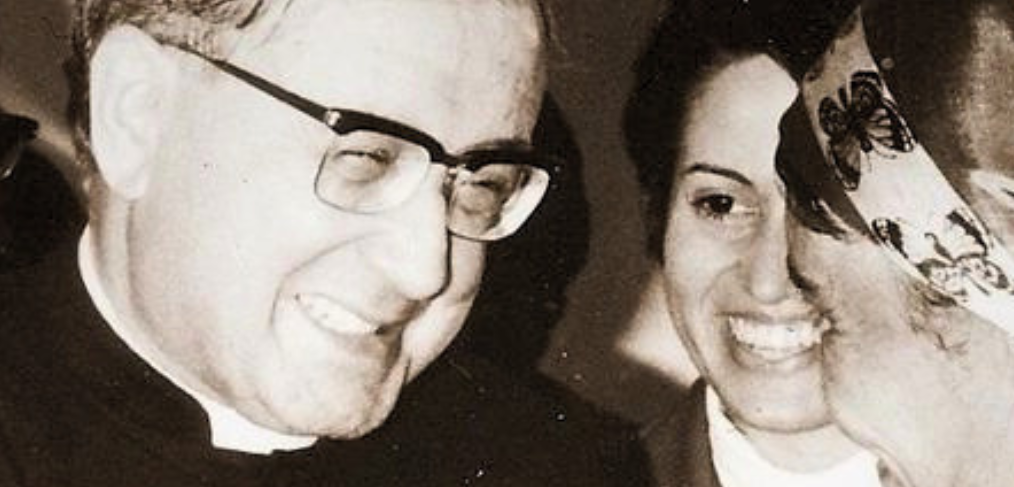
As another June 26th—the feast day of St. Josemaria—approaches, it brings with it the following questions: How well do you know the founder of Opus Dei, and what could you do to know him better?
Feast days in the Catholic Church give us a way to honor the lives of the saints and to ask for their powerful intercession from heaven—and the feast of St. Josemaria is such an occasion.
Here I share with you my top 5 reasons why and how you should to get to know St. Josemaria better.
1: If you want to find more meaning in your day-to-day life, turn to this “saint of the ordinary.”
At the canonization of St. Josemaria on October 6th, 2002, Pope St. John Paul II named him the “saint of the ordinary.” To become a contemplative (and thus a person who discovers the deepest meaning in your life) may seem like a pie-in-the-sky goal, but St. Josemaria’s words and intercession continue to guide those of us living in this specific era, with our particular societal issues in addition to our personal and familial circumstances. For me, it all starts with ‘marinating’ every theme of my prayer in that staggering reality of being a beloved child of God. As St. Josemaria wrote: “The theme of my prayer is the theme of my life.”
2: If you want to deepen your friendships, get to know this champion of the one-on-one.
Starting from his very first meetings with students 100 years ago, St. Josemaria always built personal spiritual development from the keystone of individual mentoring and personalized spiritual direction. His biography includes myriad stories of loyal friendships with all sorts of unlikely people as well as likely. He knew how to put people first and said that he saw individual names behind the many tasks he worked on. Countless married couples, professional colleagues, and other good friends continue to turn to St. Josemaria’s intercession for help to forgive and begin again in important relationships in their lives. For me, his words remind me how to maintain Jesus as my best friend, no matter how many new friends I make.
3: If you’re in the game of turning your work and study into prayer, this saint can coach you from the heavenly sideline.
It is indeed easier said than done to turn all we do into prayer, and “we are all made of the same stuff” so we all face the same sorts of difficulties and distractions. So, why not seek tips from those who have succeeded, and those who are succeeding in our world today, in living more fully themselves and giving greater glory to God. Especially to parents, St. Josemaria’s advice sounds like he wrote it this morning rather than decades ago in the 60’s and 70’s.
4: If you want to bring as many people with you to heaven as possible, then St. Josemaria can get you to more souls.
St. Josemaria explained that we can each be “interested in 100 out of 100 souls”. God has made every single, unique human person to spend eternity with Him; eternity does not start when we die, but when we start our lives at conception. For me, following in the footsteps of St. Josemaria has meant getting to meet and getting to know so many wonderful people from all over the world.
5: If you value personal freedom, then St. Josemaria wrote a homily for you to read for the first time (or hundredth) called, “Christians Respect for Persons and their Freedom.”
A priest recounted being in Rome when St. Josemaria said: “I will never tire of repeating that one of the clearest characteristics of the spirit of Opus Dei is its love for freedom and for the need to understand others.” For me, this homily is timely, appropriate and needed advice for all of us today, precisely in our polarized society.
Bonus: Are you curious about Opus Dei? St. Josemaria’s life of sanctity is intrinsically linked with his role as founder and spiritual father of Opus Dei. Get to know him better, and you’ll easily come across the ways that he himself explained Opus Dei, in his own words.
There are seven interviews published in the book Conversations with St. Josemaria Escriva where reporters asked him everything from women’s role in society to the central mission of Opus Dei and how it compares to other institutions in the Catholic Church.
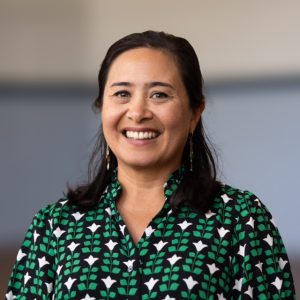 Angela Fortunato
Angela Fortunato is the Director of the Aster Study Center in Los Angeles. She holds a Bachelor’s degree in Biology, a Master’s in Bioethics, and a Master’s in Public Health, in addition to certifications in aging and teaching science. She has worked in bioethics and healthcare research and as a science teacher and school administrator. In 2025, Angela published her book, Wholeheartedly: God's Mystery of Love in the Call to Celibacy, and a The Way of the Cross for Students, available on the Youth Platform of opusdei.org.