

In her poem “Why I Love You, O Mary!”, Saint Therese of Lisieux says that the Blessed Virgin teaches her how to weep and rejoice—what to have sorrow for and what to rejoice over.
In her poem “Why I Love You, O Mary!”, Saint Therese of Lisieux says that the Blessed Virgin teaches her how to weep and rejoice—what to have sorrow for and what to rejoice over.

St Josemaria often evokes images of fire and light to show how the Christian faith is spread from one heart to another.

All sorts of questions fill the air on Easter morning, on that first morning of our new life: “Who will roll us back the stone?” “Woman, why are you weeping? Whom do you seek?”

“And the crowds that went before him and that followed him shouted, ‘Hosanna to the Son of David! Blessed is he who comes in the name of the Lord! Hosanna in the highest!’” (Mt 21:9).

Christian life on earth is often called a journey, a pilgrimage. Even on our best days in this world, we never feel entirely at home here, entirely comfortable or at rest. We’re not supposed to.

The gospel appointed for the Solemnity of St Joseph just might break all the rules for discipleship. Jesus asks to be followed, but here He has effectively hidden Himself from His parents.

A friend of mine once told me: “You are never freer than when you are doing God’s will, and never less free than when you are doing your own.” There you have the Annunciation.
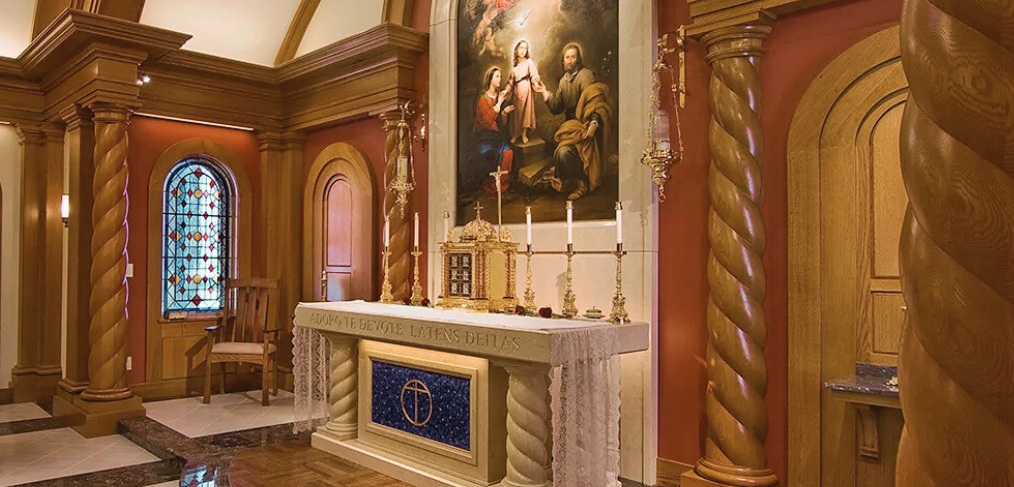
One of the highest compliments we can pay to a place is to say: I feel at home here.
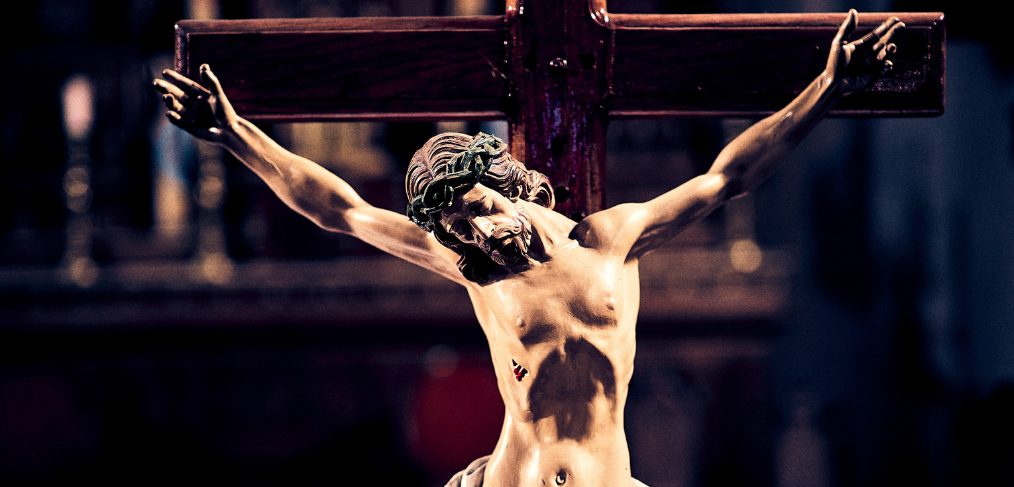
Looking creates responsibility, especially when looking means seeing another’s distress… The first reading for the Feast of the Exaltation of the Holy Cross features a look that saves.

Nothing disappoints more than misplaced hope. And maybe nothing is easier to misplace than our hope. From time to time we are all tempted to put our hopes for happiness, even for a kind of salvation, in people whom we idealize or future circumstances we imagine will be perfect.

Saint Josemaria portrays the Blessed Virgin as a unifying force or common bond among the children of God. What better image to have before us as we celebrate Mary as Refuge of Sinners…

Everyone is wounded by original sin and by subsequent personal sins. Everyone has been wounded by the sins of others. What we do with these wounds largely decides the depth of our inner peace.
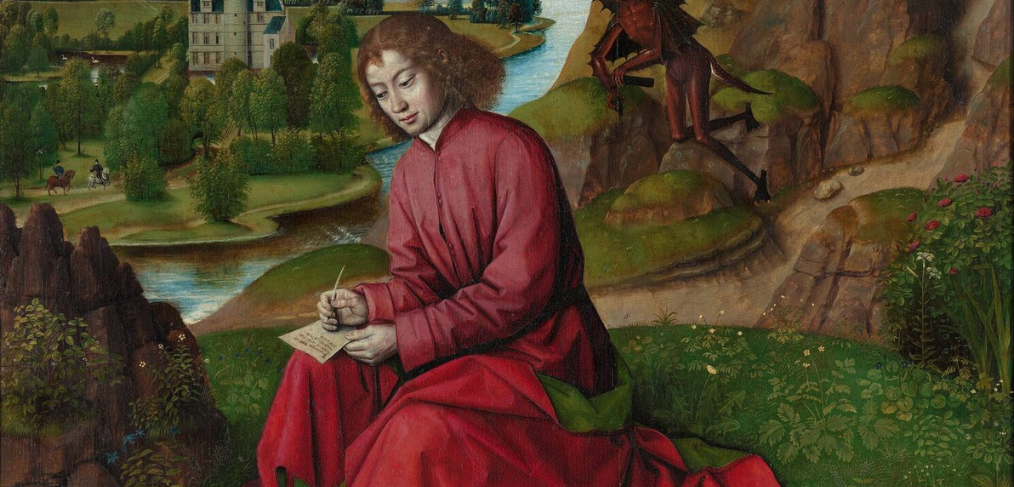
Does everyone have a breaking point? A point beyond which too much pressure causes collapse?

Among the Saints, both ancient and modern, it has never seemed excessive to long continually for God’s mercy, and to plead for it on one’s own behalf, as well as for the whole world.

The Lord promised Simeon that he would not see death before he had seen the Christ of God. The fulfillment of that promise alone was enough to justify an entire lifetime of waiting and contemplating.

It hardly needs to be said that finding God in daily life is one of the keynotes of Saint Josemaría’s spirituality. But do we ourselves want to be found by God in daily life?

Looks of surprise come my way when people learn of my devotion to St Josemaría Escrivá. I don’t blame them.

St Josemaria expresses the wish in The Way that we should learn to speak of the holy souls in purgatory as “My good friends the souls in purgatory” (571).

If Peter wonders how he could ever love the Lord again, Jesus answers, If you love me, keep my commandments, that is, always respond to me as you do now: “Yes, Lord.”

St Josemaria concentrated much of his apostolic drive in convincing ordinary Christians that being ordinary is okay. But his message was not one of mere contentment with everyday life or of shunning the wealth and fame typically associated with “extraordinary” people.