

“The Way,” in its 999 points, is a clear, down-to-earth guidebook for serious Christians living in the world who aspire to climb the “inclined plane” that leads to union with God.
“The Way,” in its 999 points, is a clear, down-to-earth guidebook for serious Christians living in the world who aspire to climb the “inclined plane” that leads to union with God.
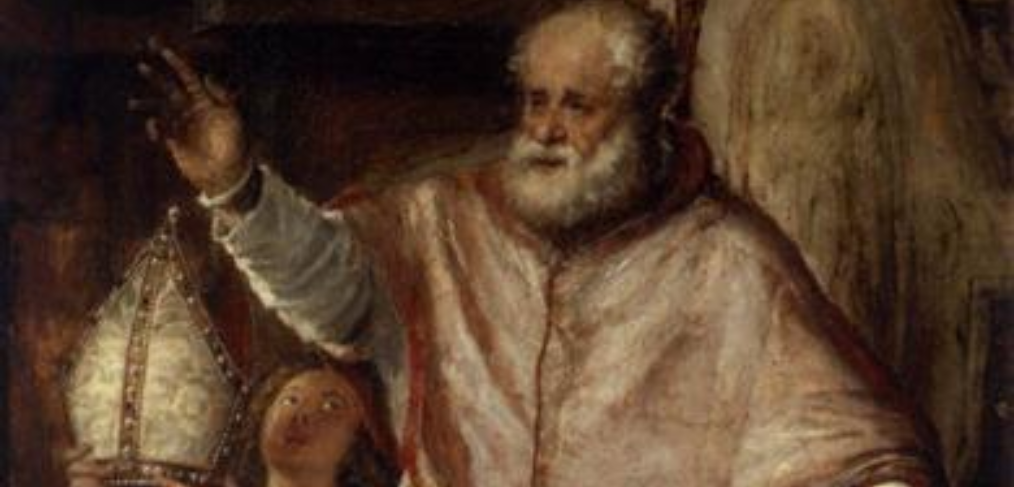
On December 6, 1934, amidst mounting financial challenges in the early days of Opus Dei, St. Josemaria Escriva officially named St. Nicholas of Bari as the intercessor for the organization’s economic needs. This act of faith marked the beginning of a deep and enduring devotion to the saint, whose intercession would guide St. Josemaria through many hardships.

Recently, I’ve been reflecting on various texts about friendship and pondering how it might be one of the most beautiful gifts God has bestowed upon us since creation.
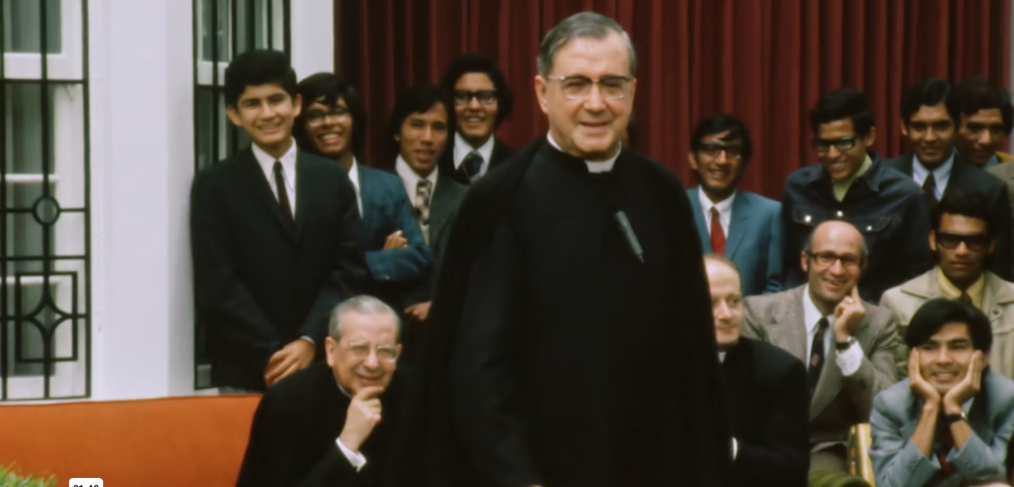
We are here, consummati in unum! united in prayer and intention, and ready to begin this period of conversation with Our Lord, having renewed our desires to be effective instruments in his hands.
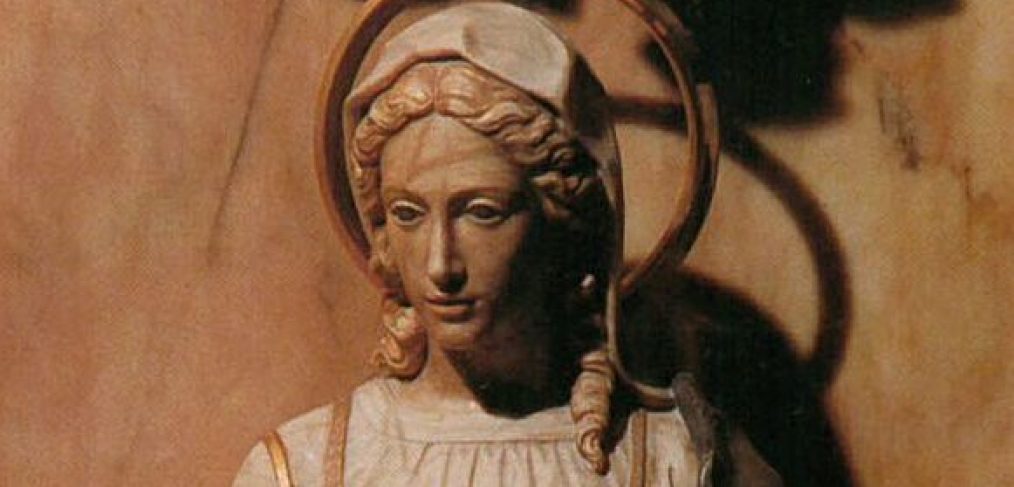
Have you ever thought about what kind of relationship two saints would have had if they had met while they were alive?

I was deeply moved by the Epistle in today’s Mass, and I imagine the same will have happened to you. I realized that God was helping us, through the words of the Apostle, to contemplate the divine interlacing of the three theological virtues.

The title of “Our Lady of Mercy” came to hold a special place in St. Josemaria’s memory and heart.
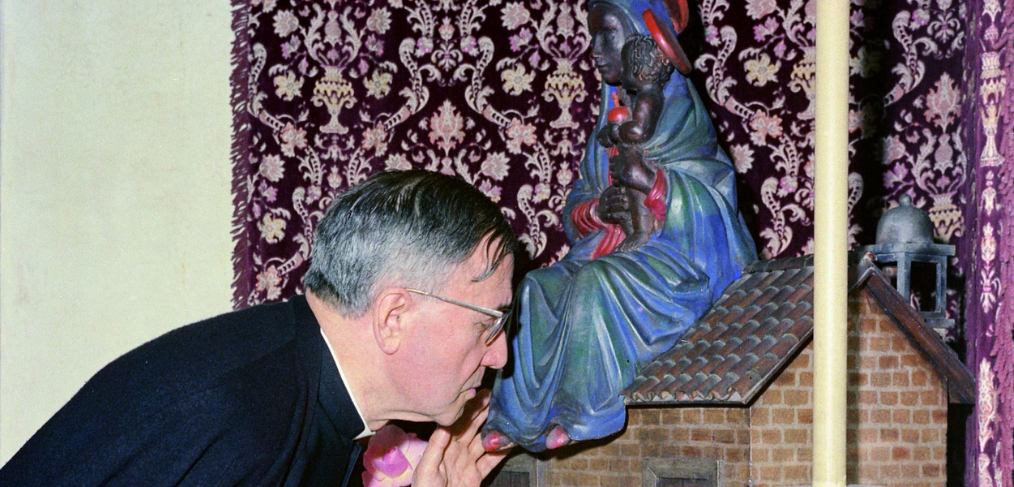
On August 15, 1951, Solemnity of the Assumption of the Blessed Virgin Mary, St. Josemaria Escriva entrusted a very serious intention to Our Lady of Loreto.
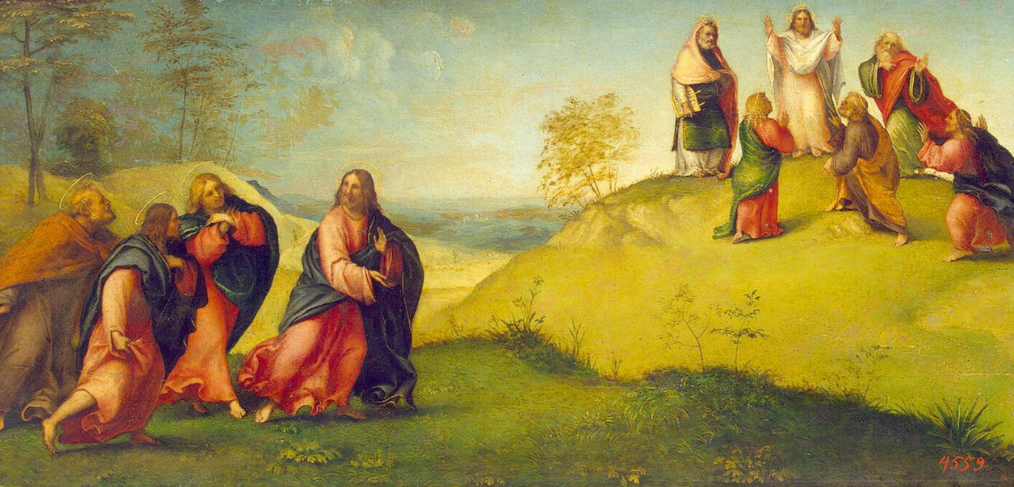
The Transfiguration of the Lord was a significant event in the life of Jesus Christ.
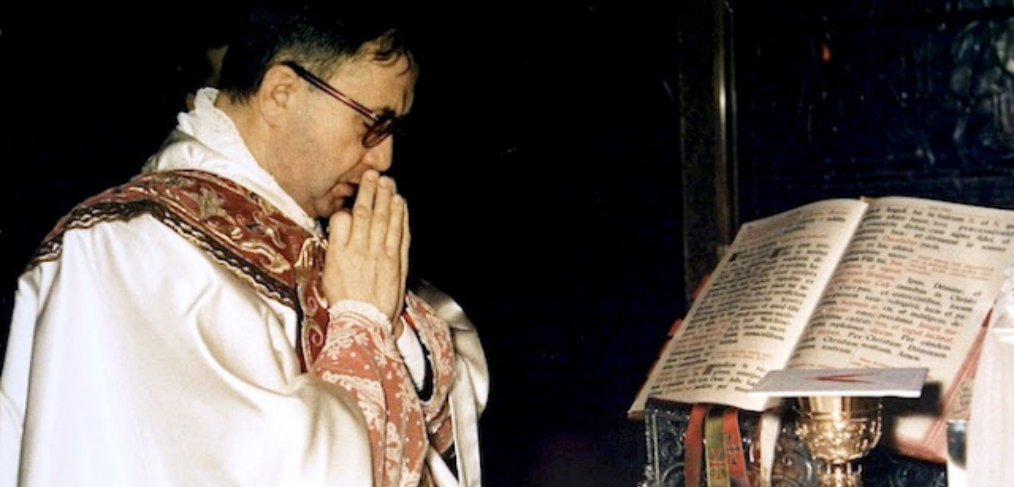
St. Josemaría is one of those saints who succeeded in changing the perspective of those who followed him in a very simple way: by fully living his vocation to sanctity as a priest and founder of Opus Dei.

A character in the Gospel provides a particular point of view to understand the image of our Lord: Martha of Bethany. She was a woman of service, a woman of faith, and one of the closest friends of Jesus during His time on Earth.
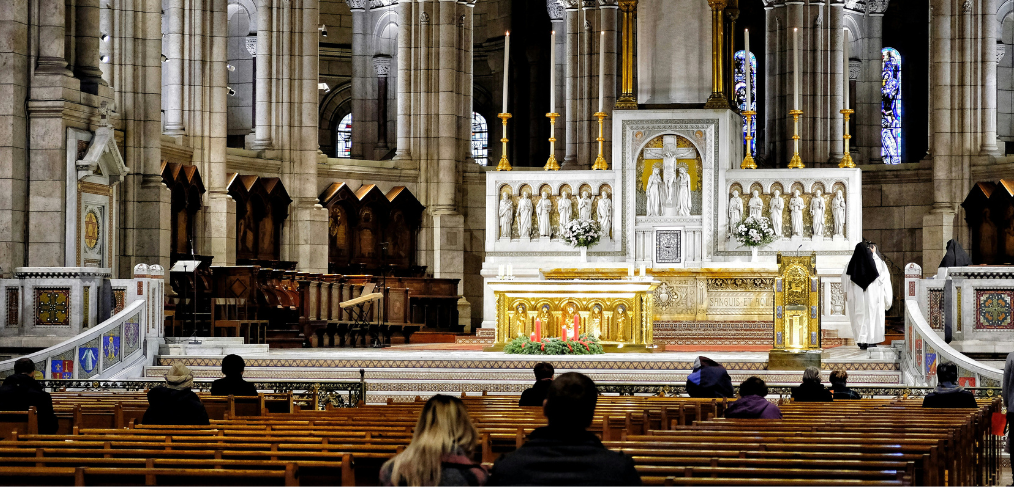
Receiving Our Lord in the Holy Eucharist is the closest we’ll ever be to Jesus Christ on earth. Therefore, St. Josemaria Escriva encouraged everyone to truly recollect themselves in prayer during those holy moments of our lives.

“Now before the feast of the Passover, when Jesus knew that his hour had come to depart out of this world to the Father, having loved his own who were in the world, he loved them to the end” (Jn 13:1). The reader of this verse from St John’s Gospel is brought to understand that a great event is about to take place.
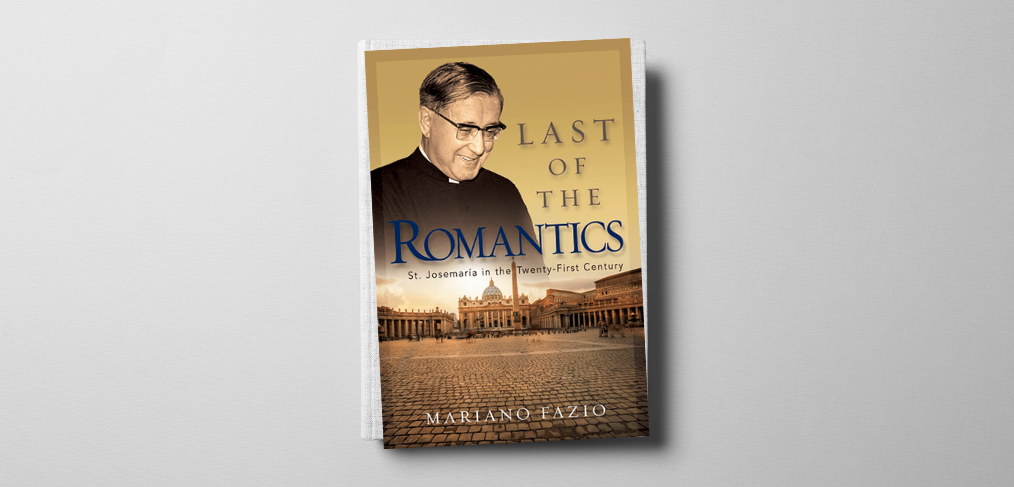
With the meaningful expression “last romantic,” coined by St. Josemaría himself, Msgr. Mariano Fazio titles his book, St. Josemaría Escrivá: The Last of the Romantics.
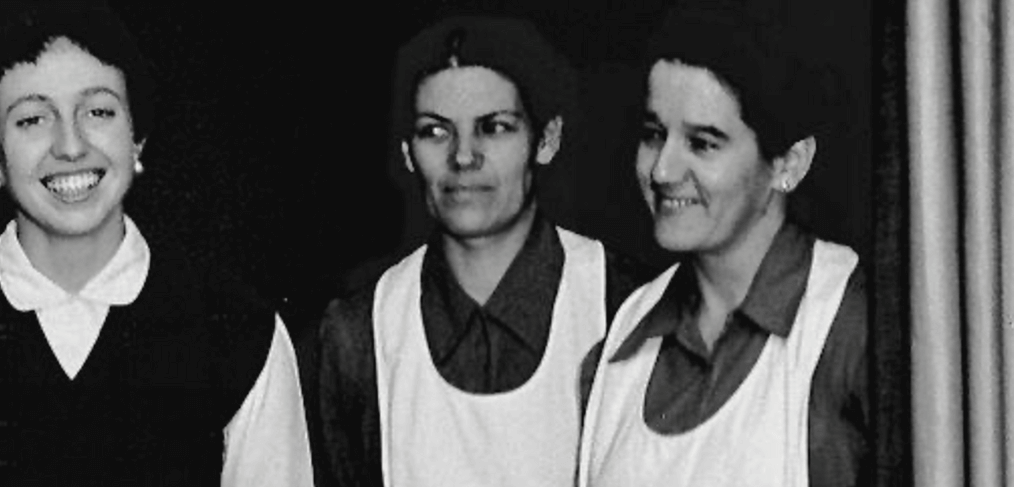
Every time we think about a person who has passed away, we try to deepen their image in our imagination. Often, the easiest way to remember someone is to find people who had at least some contact with them. This applies even when the person we are trying to reconstruct is a saint.
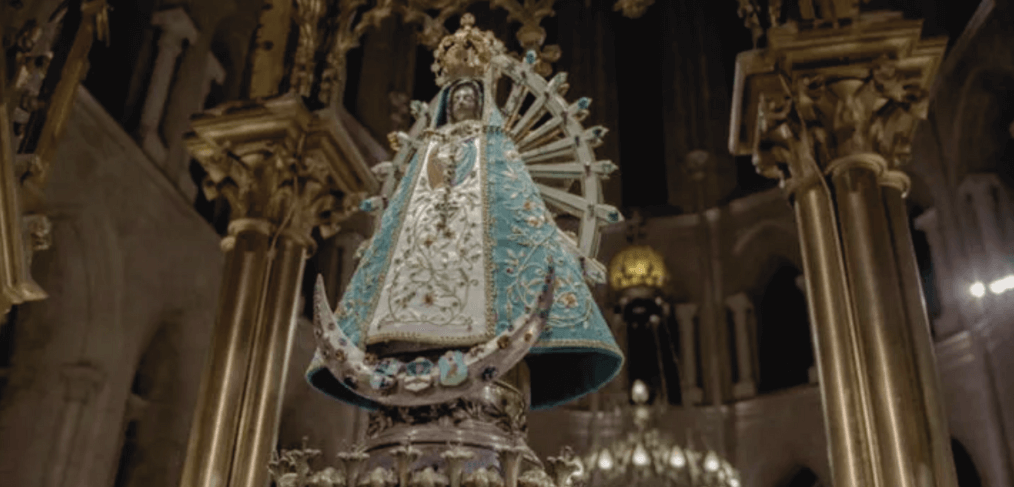
On June 12, 1974, St. Josemaria Escriva went on a pilgrimage to the Basilica of Our Lady of Luján, Patroness of Argentina.
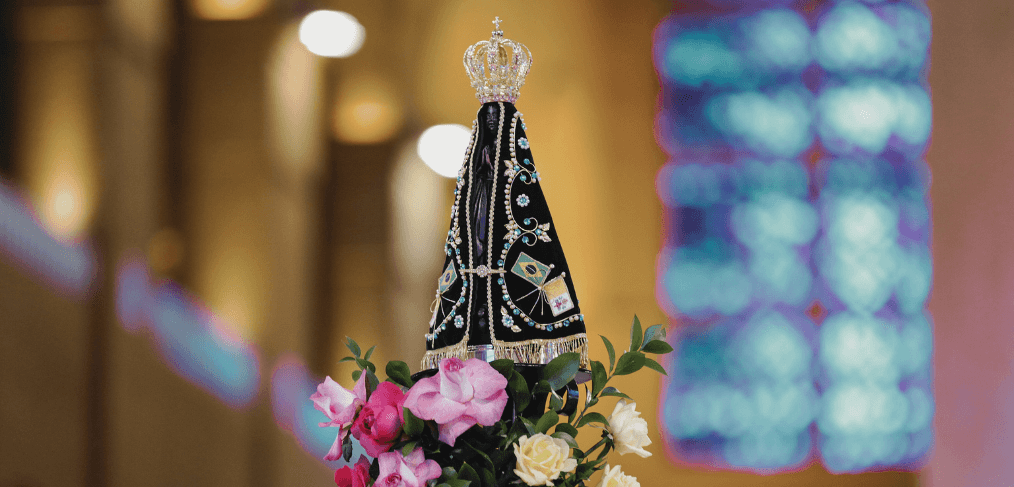
On May, 28, 1974, St. Josemaria Escriva made a pilgrimage to the Shrine of Our Lady of Aparecida in Brazil.

On May 2, the Prelature of Opus Dei celebrates the anniversary of the dedication of the Prelatic Church of Our Lady of Peace.
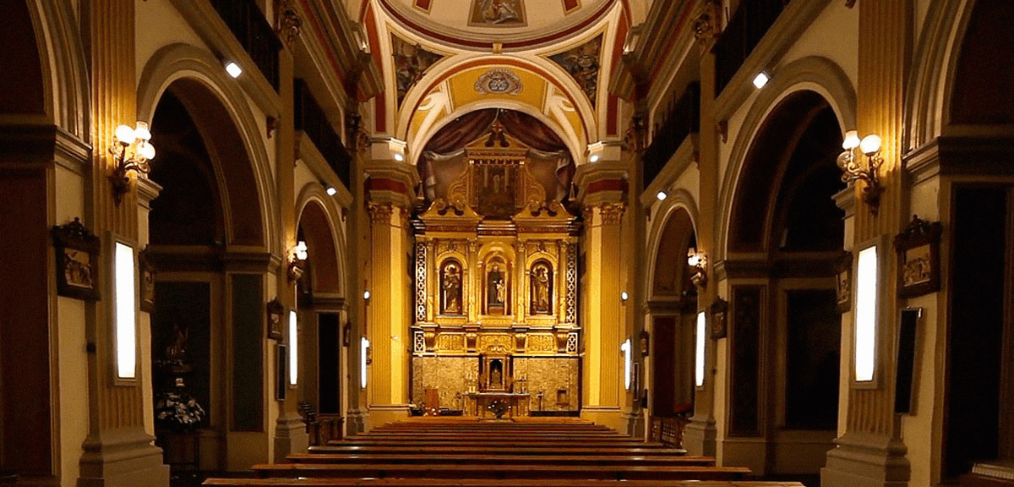
As a young boy, St. Josemaria Escriva learned a prayer for spiritual communion that he cherished and shared with others during his lifetime.

Like every Christian celebration, today’s is one of peace. The palm branches, with their ancient symbolism, recall a scene of the book of Genesis.