

On April 15, 1967, in an interview with Peter Forbarth of Time Magazine, St. Josemaria Escriva explained the why and much more about the founding and mission of Opus Dei in the Church and in the world.
On April 15, 1967, in an interview with Peter Forbarth of Time Magazine, St. Josemaria Escriva explained the why and much more about the founding and mission of Opus Dei in the Church and in the world.

Study is not only a path to knowledge, but also a path to holiness. St. Josemaria Escriva reminded students and professionals alike that diligent study, offered to God, becomes prayer and apostolate.

St. Josemaria Escriva believed that to be truly transformed by Christ’s Passion, Christians should constantly identify with Christ’s suffering.
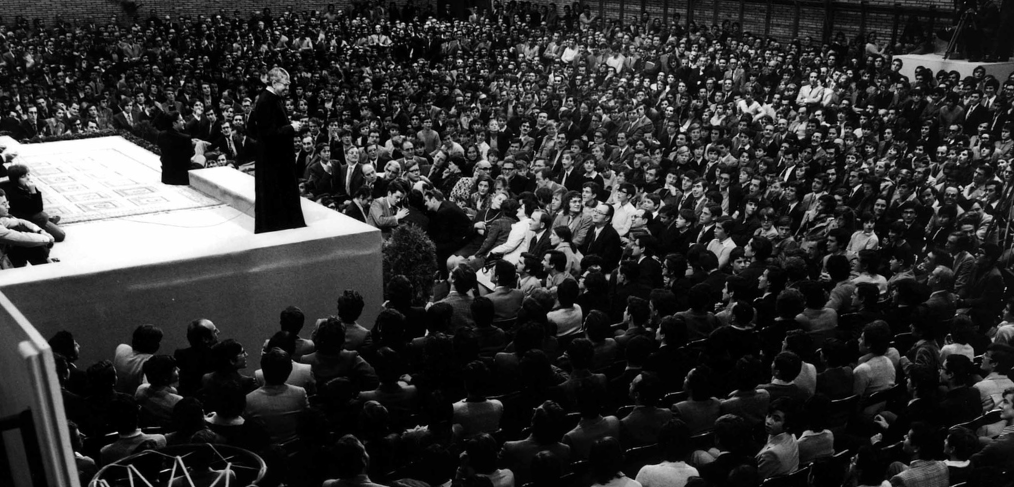
In Opus Dei: Opus Dei: An Association Which Fosters the Search for Holiness in the World, St. Josemaria Escriva explained that the development of the laity rests on a renewed awareness of the dignity of the Christian vocation.

St Josemaria often evokes images of fire and light to show how the Christian faith is spread from one heart to another.
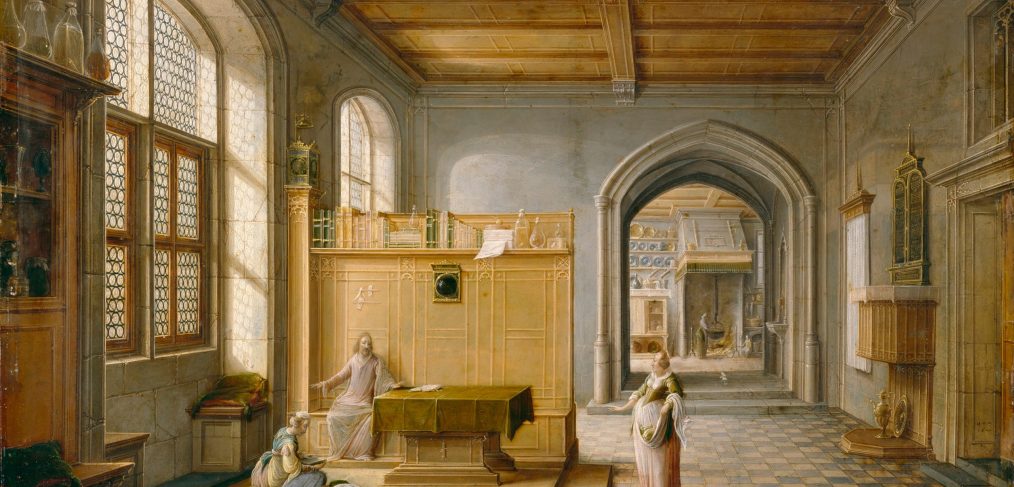
Our Lord is well taken care of in Bethany. These are his friends. The Gospel tells of the arrival of our Lord and His disciples at the house of these friends, Martha and Mary and Lazarus.

There are moments in life when our words falter. When the weight of grief silences us. This is one of those moments.
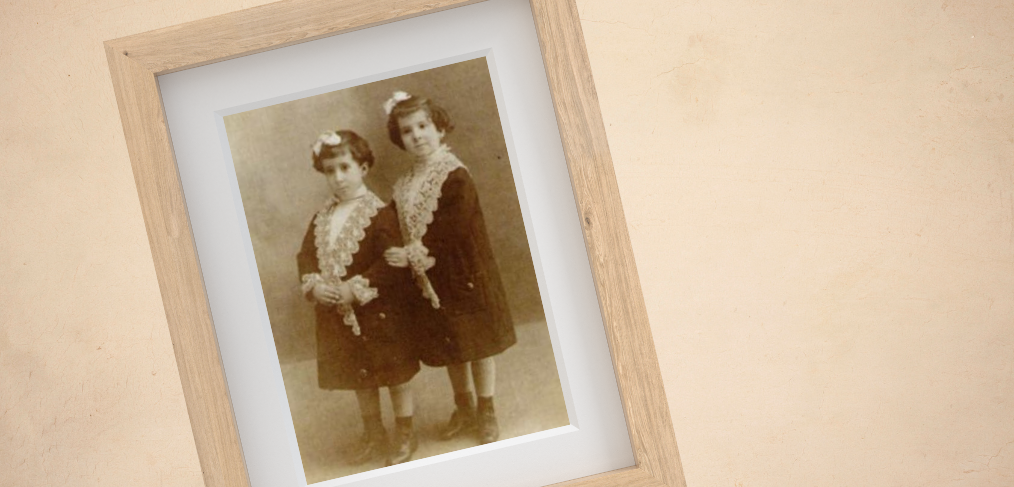
The loss of a child is one of the most painful experiences of death and grief on earth. And the Escriva family were deeply aware of this suffering.

St. Josemaria’s gratitude to the Mother of God grew deeper and stronger over the years and one of the manifestations of his gratitude was the construction of a new Shrine of Torreciudad.

We are very pleased to share our interview with Fr. Giesler who helped us learn more about his book and also answered some questions about prayer.

On June 26, 2025, we commemorate the 50th anniversary of the death of St. Josemaria Escriva.In this article, we share a brief account of his final years.
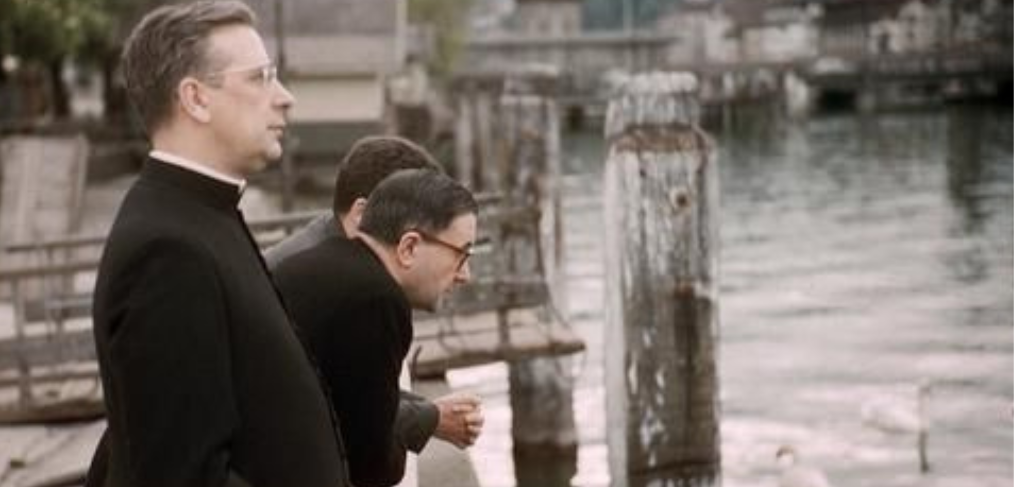
St. Josemaria’s advice and points for reflection for those who may have fears about death.

The award-nominated The Saints podcast from The Merry Beggars at Relevant Radio is excited to present a five-episode series on Saint Josemaría Escrivá.

“Christ. Mary. The Pope. Haven’t we just indicated, in three words, the loves that make up the entire Catholic faith?”

All sorts of questions fill the air on Easter morning, on that first morning of our new life: “Who will roll us back the stone?” “Woman, why are you weeping? Whom do you seek?”

“And the crowds that went before him and that followed him shouted, ‘Hosanna to the Son of David! Blessed is he who comes in the name of the Lord! Hosanna in the highest!’” (Mt 21:9).

Christian life on earth is often called a journey, a pilgrimage. Even on our best days in this world, we never feel entirely at home here, entirely comfortable or at rest. We’re not supposed to.

As a teenager, St. Josemaria Escriva aimed to be a good student and dreamed of being an architect. Becoming a priest was not what St. Josemaria had originally thought was for him.

When saying Mass a few days ago I paused to reflect on a phrase from the psalms in the Communion Antiphon: “The Lord is my shepherd, I shall not want.”

The gospel appointed for the Solemnity of St Joseph just might break all the rules for discipleship. Jesus asks to be followed, but here He has effectively hidden Himself from His parents.