

What does the simple, admirable life of the Holy Family tell us? What can we learn from it?
What does the simple, admirable life of the Holy Family tell us? What can we learn from it?

In a season when Mary’s responsiveness to God’s will is continually before us, the Church in her Advent liturgy invites us not only to reflect on her perfect obedience but also to imitate it.
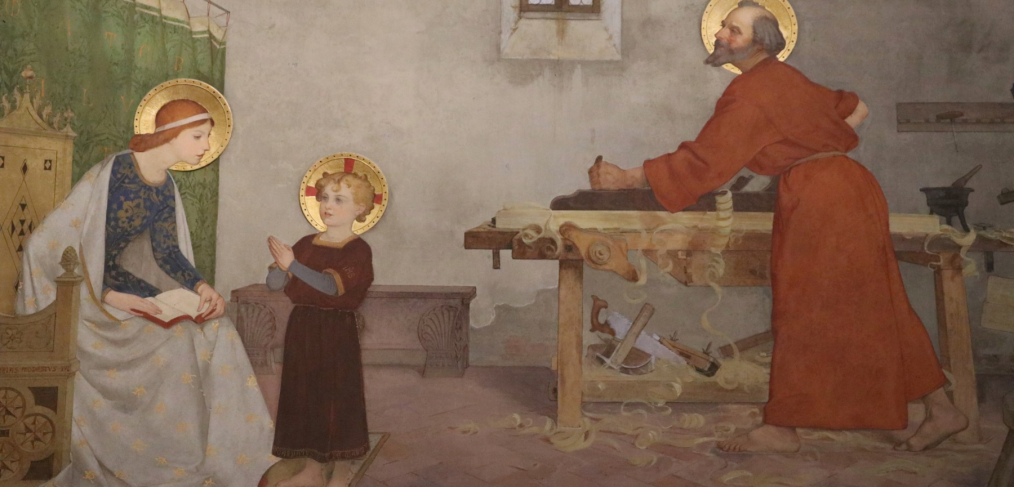
Mutual care and respect permeated the life of the Holy Family. Their home must surely have been a model for all Christian homes, having been clean and pleasant, complete with the kind of modest adornments that contribute to an elevated human tone of sensibility and good taste.

A monthly Day of Recollection is a time set aside specifically for a Christian to seriously go deeper into his or her relationship with God.

The liturgical year is beginning, and the introit of the Mass invites us to consider something closely related to the beginning of our christian life: the vocation we have all received.

Whenever our Lady appears on earth it is to remind us of something that we are neglecting. She never comes to reveal something new, but to express in a new and forceful way what we should already know.

The theme of thanksgiving is inextricably woven into St. Josemaría’s life and books. In his collection of spiritual meditations “The Way”, he emphasizes the Christian’s duty to constantly thank Our Father.
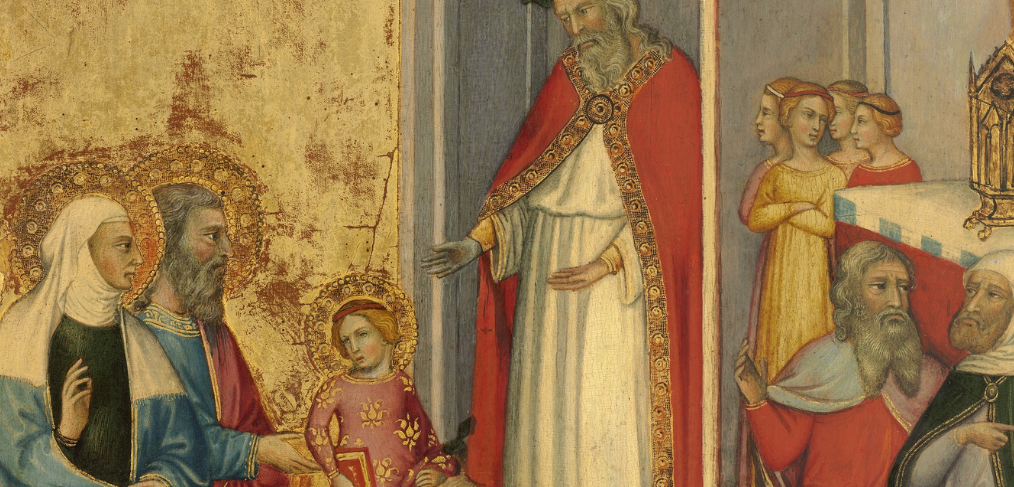
Our Lord is calling us to sanctify the ordinary tasks of every day, for the perfection of the Christian is to be found precisely there. Let’s consider it once more as we contemplate Mary’s life.

A monthly Day of Recollection is a time set aside specifically for a Christian to seriously go deeper into his or her relationship with God.

In her poem “Why I Love You, O Mary!”, Saint Therese of Lisieux says that the Blessed Virgin teaches her how to weep and rejoice—what to have sorrow for and what to rejoice over.

A monthly Day of Recollection is a time set aside specifically for a Christian to seriously go deeper into his or her relationship with God.

On April 15, 1967, in an interview with Peter Forbarth of Time Magazine, St. Josemaria Escriva explained the why and much more about the founding and mission of Opus Dei in the Church and in the world.
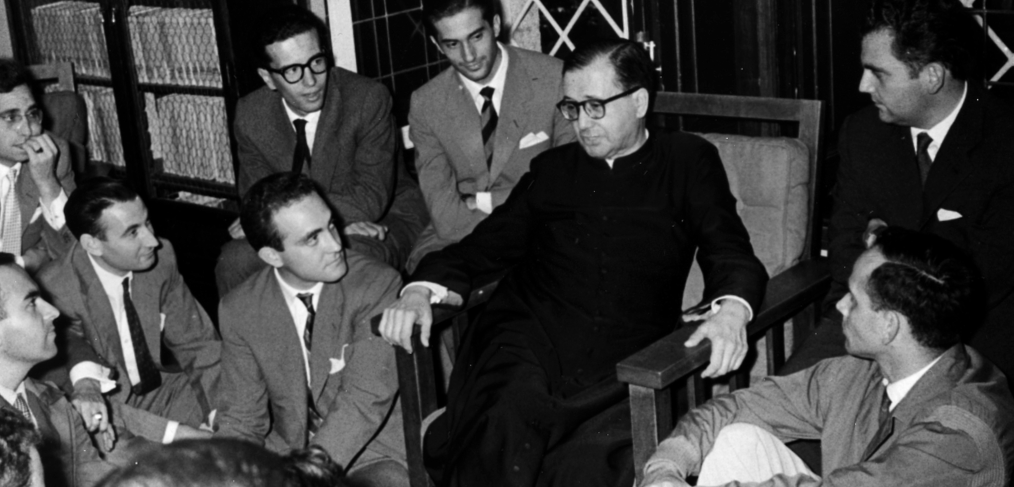
Study is not only a path to knowledge, but also a path to holiness. St. Josemaria Escriva reminded students and professionals alike that diligent study, offered to God, becomes prayer and apostolate.
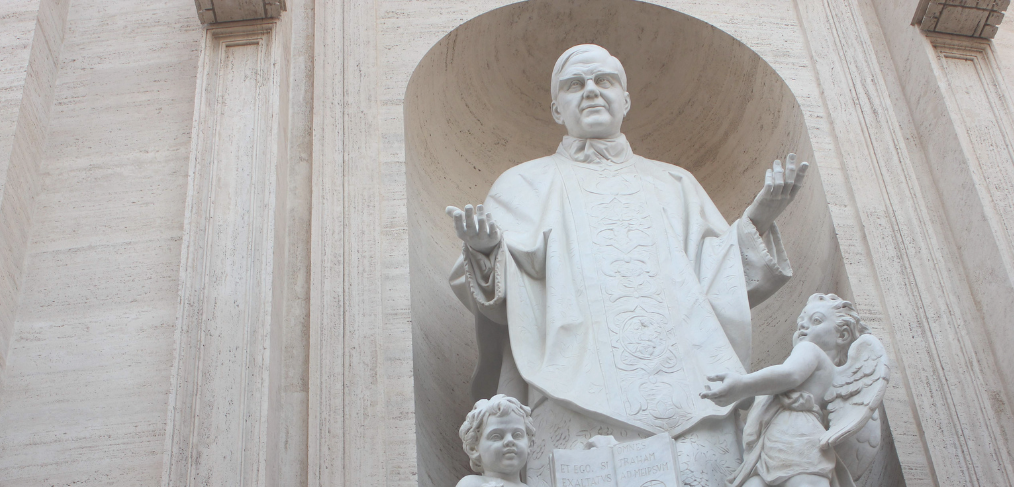
On September 14, 2005, Pope Benedict XVI unveiled and blessed the statue of St. Josemaria Escriva in St. Peter’s Basilica. Two decades later, the statue continues to stand as a powerful witness to the founder of Opus Dei’s message and mission in the life of the Church.
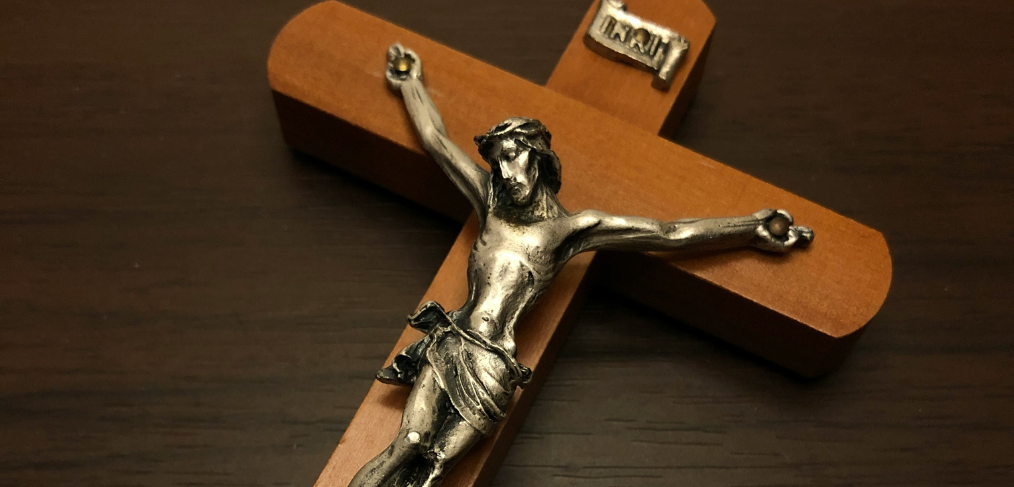
St. Josemaria Escriva believed that to be truly transformed by Christ’s Passion, Christians should constantly identify with Christ’s suffering.

A monthly Day of Recollection is a time set aside specifically for a Christian to seriously go deeper into his or her relationship with God.
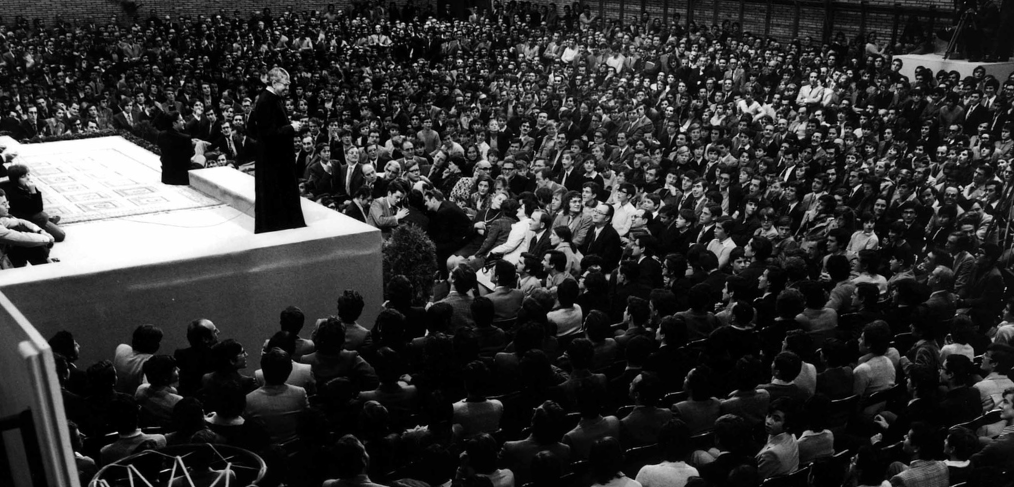
In Opus Dei: Opus Dei: An Association Which Fosters the Search for Holiness in the World, St. Josemaria Escriva explained that the development of the laity rests on a renewed awareness of the dignity of the Christian vocation.

St Josemaria often evokes images of fire and light to show how the Christian faith is spread from one heart to another.

A monthly Day of Recollection is a time set aside specifically for a Christian to seriously go deeper into his or her relationship with God.
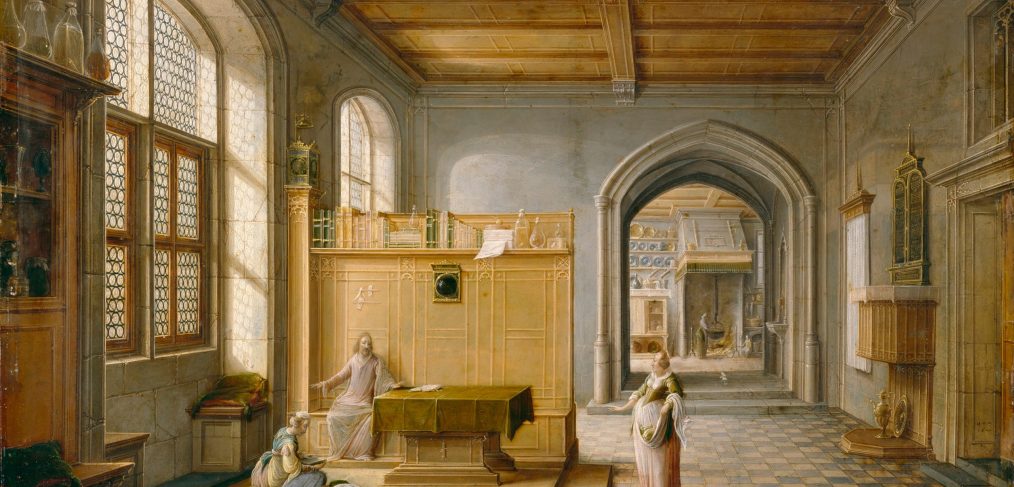
Our Lord is well taken care of in Bethany. These are his friends. The Gospel tells of the arrival of our Lord and His disciples at the house of these friends, Martha and Mary and Lazarus.