
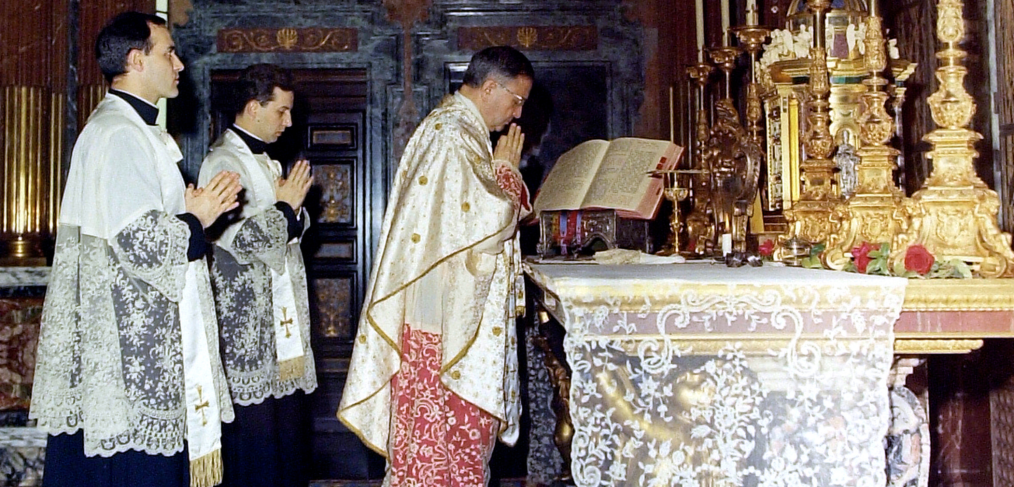
The priestly anniversary of St. Josemaria encourages us to renew the resolution that we will gratefully, each day, at the foot of the cross—of the altar—share in the life that Jesus Christ gives us.
The priestly anniversary of St. Josemaria encourages us to renew the resolution that we will gratefully, each day, at the foot of the cross—of the altar—share in the life that Jesus Christ gives us.

A selection of podcasts, articles, and reflection questions to help guide your prayer during Holy Week and the Paschal Triduum.
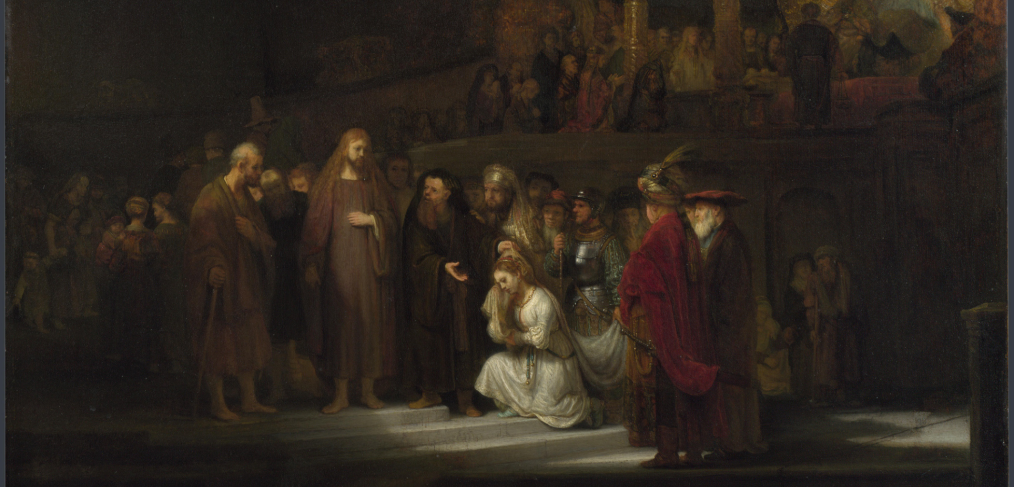
The devil’s “territory,” apart from those “kingdoms of the world” he claimed as his own when tempting Christ, might be difficult to map out—it was, after all, into the swept and tidied house that the unclean spirit returned with a company of devils worse than himself (cf. Lk 4:5; Mt 12:43-45).

The Lord wants us always to bear in mind two things: the mercy we have received, and where that mercy comes from: the Cross of Jesus.

I’d like to have a moment of your time. I’m not asking for myself, but on behalf of the Lord Jesus.
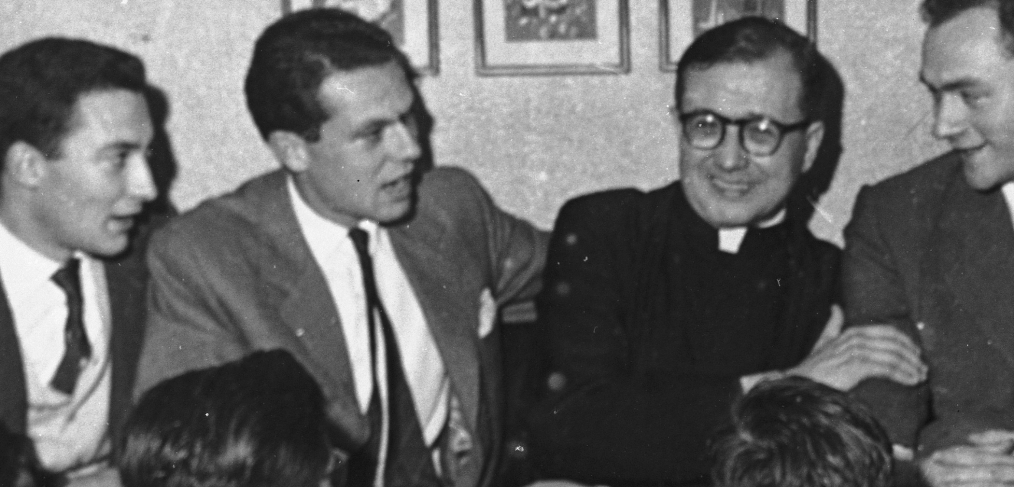
St. Josemaria took the opportunity of the Lenten season to pray more, sacrifice more, and to find ways of giving of himself more generously to those around him. For him, prayer and penance can precisely make much room for joy.
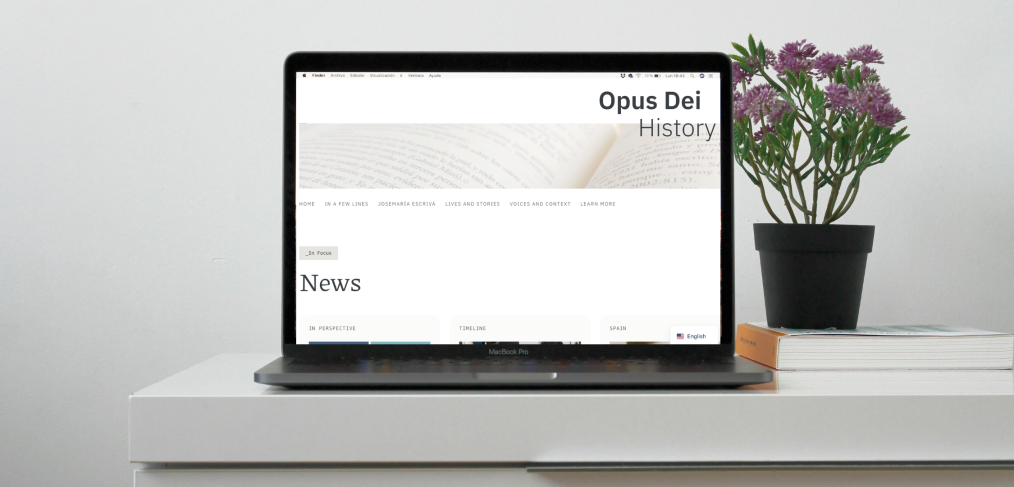
The Josemaría Escrivá Study Center (CEJE) at the University of Navarra and the Istituto Storico San Josemaría Escrivá (Rome) have launched a new website dedicated to the history of Opus Dei.
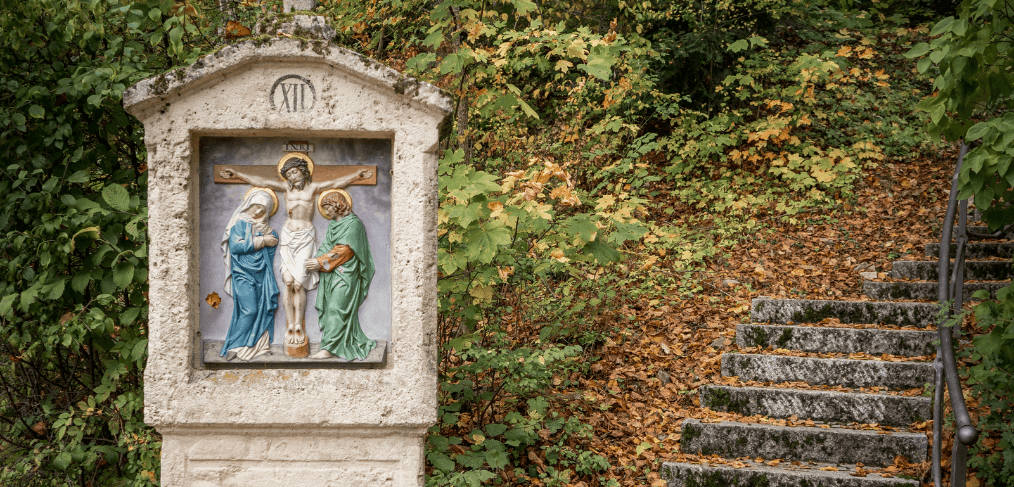
Lent is a compendium of our whole life, which is a “constant returning to the house of our Father God.”

Our own “desert” to which Christ is calling us might be anything from a private home, to an office cubicle, to a city street. Wherever the contents of our hearts can and should be revealed, there the Bridegroom awaits us.
This Lent explore our curated selection of resources to help you begin again and advance in your faithfulness to Christ and desire for holiness.
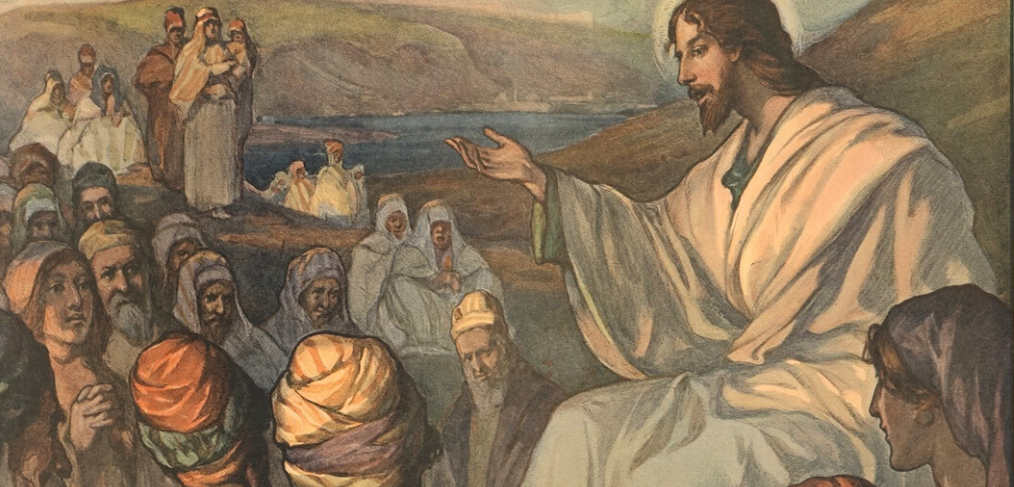
Anyone who has ever tried to be happy by changing their mailing address or some other merely cosmetic, outward change, has discovered the truth of the saying: Happiness is an inside job.
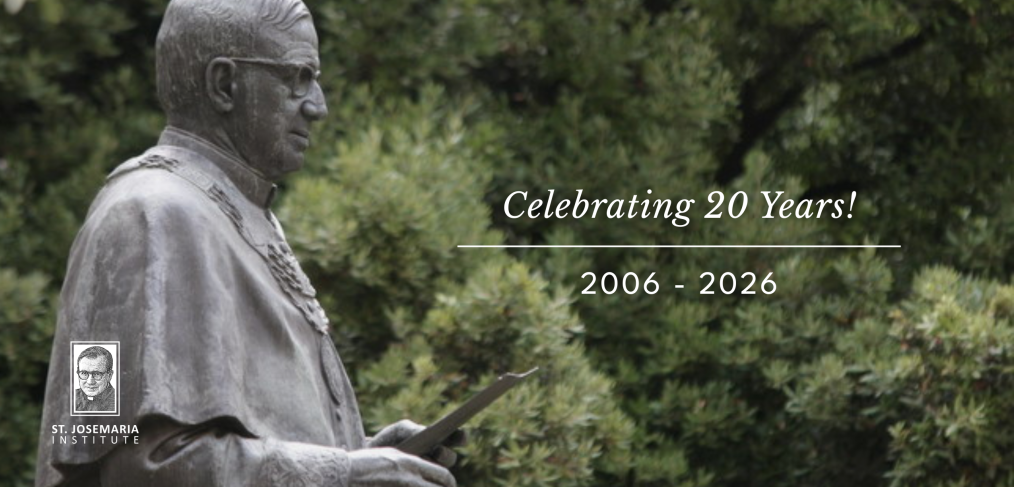
This month marks 20 years since the St. Josemaria Institute was founded on February 14, 2006—a remarkable milestone that demonstrates increasing devotion to St. Josemaria and to his teachings around the country!

A monthly Day of Recollection is a time set aside specifically for a Christian to seriously go deeper into his or her relationship with God.

The team at LifeWork — friends of the St. Josemaria Institute — have researched and developed a way to help women plan their daily life throughout the year.

A Spiritual Backpack for Educators is a selection of resources from the St. Josemaria Institute to help parents and educators form young men and women rooted in faith:
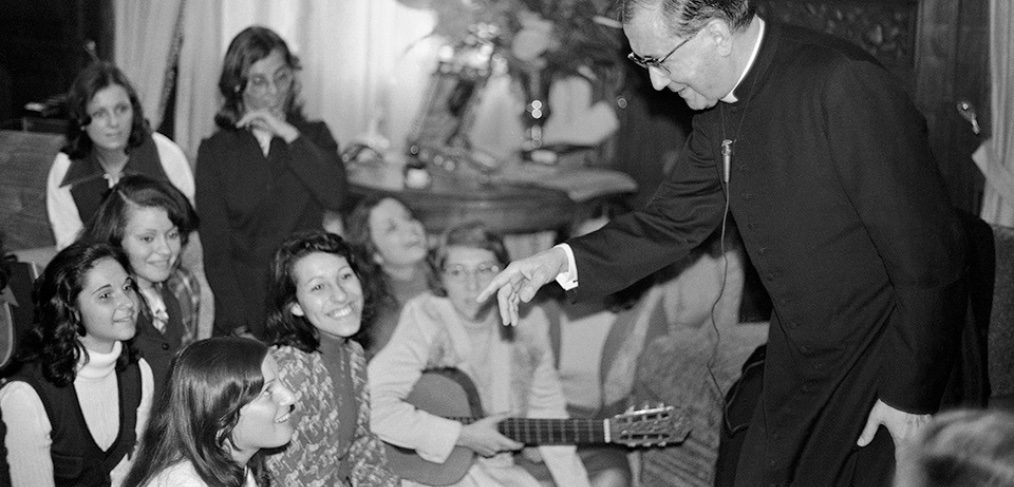
Firstly, let me say that I do not think there need be any conflict between one’s family life and social life. Just as in a man’s life, but with particular shades of difference, the home and the family will always occupy a central place in the life of a woman.
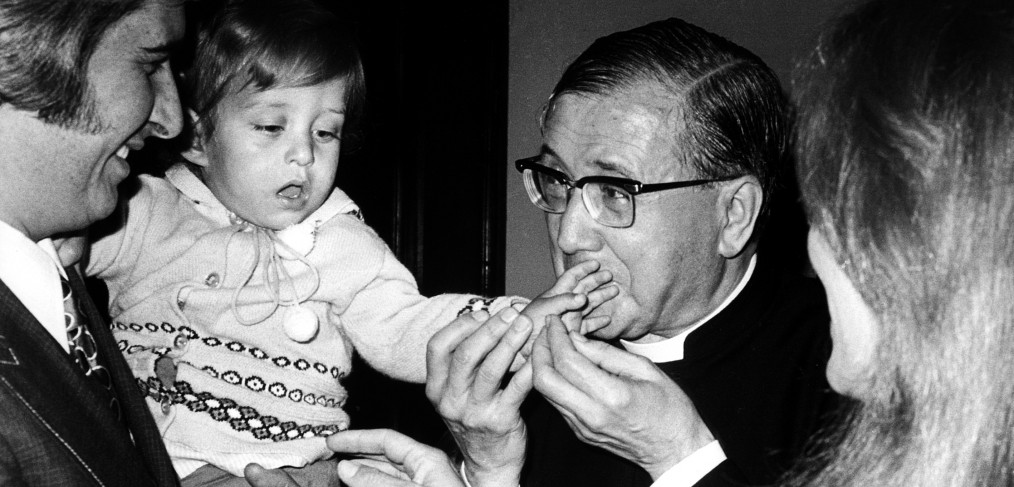
The parents’ mission to educate their children in the faith stems from the sacraments. When they teach the faith at home, it is the Church that is teaching.

When the Magi prostrated themselves before Christ, what sentiments must have filled their hearts? They must have thought: All of our hardship was worth it.

A monthly Day of Recollection is a time set aside specifically for a Christian to seriously go deeper into his or her relationship with God.
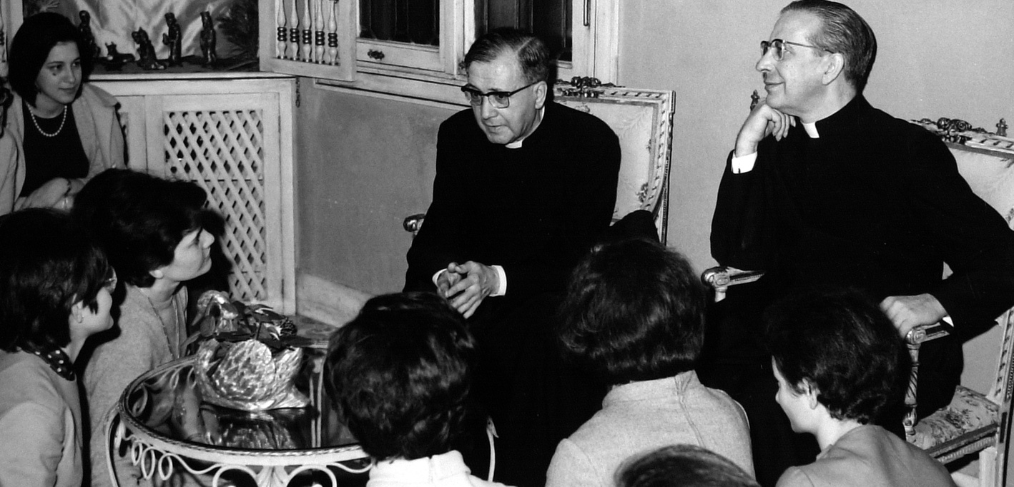
The beginning of a New Year invites us to reflect on the areas of our lives that we want to improve, grow, or change throughout the twelve months ahead.